Live Bright, Waste Less

Welcome! Today we explore smart home technologies for reducing residential energy use, turning complex jargon into clear, practical moves you can try this week. Expect real-world tips, friendly anecdotes, and step-by-step ideas that protect comfort while shrinking bills and emissions. Join the conversation, share your wins and hurdles, and help this community discover smarter habits that stick.

Start Here: Build a Solid Efficiency Plan

Measure What Matters First

Collect twelve months of utility bills, note seasonal swings, and check if your smart meter or utility portal offers hourly data. A simple spreadsheet reveals baselines and weekend patterns, guiding what to automate first. Use a handheld meter or smart plug to spot energy-hungry appliances, and photograph your panel labels. The clearer your picture, the more precise your actions become.

Choose a Reliable Brain for Your Home

Select a hub or platform that supports local automation, easy updates, and open standards such as Matter, Thread, Zigbee, or Z‑Wave. Favor devices that keep working even if the internet drops, and confirm long-term firmware support. Start small with a pilot room to reduce risk, then scale. Document names and locations consistently to simplify future routines, troubleshooting, and household training.

Set Realistic Goals and Celebrate Wins

Aim for measurable reductions, like cutting heating and cooling by ten percent in three months without sacrificing comfort. Define specific behaviors to automate, such as turning off idle devices at night or shifting laundry to off‑peak hours. Track progress weekly, share milestones with family, and celebrate small victories. Momentum matters; post your targets below for accountability and friendly encouragement.

Taming Heating and Cooling Without Sacrificing Comfort

Dial In a Learning Thermostat

Use occupancy detection, geofencing, and weather-aware schedules to avoid conditioning an empty house. Many households report double‑digit savings when setbacks are consistent and gentle, especially during work hours and overnight. Start with conservative adjustments, observe comfort, then refine. Pair remote room sensors for better temperature accuracy where you actually sit and sleep, and log seasonal tweaks so knowledge compounds year to year.

Room Sensors and Gentle Zoning

Place wireless temperature and motion sensors in frequently used rooms to guide setpoint weighting, rather than relying solely on a hallway thermostat. If using smart vents, open slowly and never over-constrict ducts. Gentle zoning improves comfort while avoiding static pressure issues and blower strain. Create time‑based profiles for mornings, evenings, and weekends, aligning airflow with real routines for measurable efficiency gains.

Maintenance, Filters, and Predictive Care

Clogged filters waste energy and stress systems. Use runtime hours, not just calendar dates, to trigger reminders, and keep spares stocked. Smart monitors can spot short cycling and abnormal power draw that signal failing components. Log filter changes in your automation app, photograph labels, and set seasonal checklists. Preventive care often saves more than fancy hardware, while keeping comfort steady and quiet.

Lighting That Adapts to You and the Sun

Lighting automation can deliver everyday savings with minimal effort while elevating mood and safety. By blending daylight awareness, occupancy cues, and gentle schedules, you reduce waste without thinking about switches. We will weigh bulbs versus switches, avoid compatibility surprises, and design scenes that feel natural from sunrise to late evening. Share photos of tricky spaces, and we’ll suggest sensor placements that actually work.

Smart Plugs, Appliances, and Hidden Power Hogs

Standby consumption quietly nibbles at your bill. With intelligent plugs and energy monitoring, you can expose vampire loads, schedule downtime, and verify real savings. We will identify what to switch automatically and what must stay powered for safety. Expect practical guidance for entertainment centers, office gear, and chargers. Post your mystery loads and we’ll suggest measurement tactics that separate facts from guesses.

Expose Standby Loads and Take Control

Start with smart plugs that measure wattage on TVs, game consoles, speakers, and printers. Create nightly shutdown routines and weekend variations. Watch for devices needing network availability, and avoid switching refrigerators or equipment with sensitive electronics. Track baseline changes over a month to confirm improvements. Small, consistent cuts across many outlets add up, turning hidden trickles into visible, lasting savings you can trust.

Shift Laundry and Dishwashing to Cheaper Hours

Use time‑of‑use rates or utility alerts to run washers, dryers, and dishwashers during off‑peak windows. Automations can defer starts, announce best times, and notify you when cycles finish. Combine with heat pump dryers or eco cycles for extra efficiency. Encourage household participation with friendly reminders. Share your rate plan details, and we will help design schedules that save money without disrupting routines.

See the Flow: Data, Dashboards, and Alerts

Data turns intuition into action. By visualizing usage, you notice patterns, catch waste early, and celebrate wins that keep motivation high. We will explore whole‑home monitors, utility portals, and privacy‑respecting dashboards that your household actually uses. Expect practical alerting strategies and clear metrics that guide decisions, not overwhelm. Drop your favorite tools or pain points to help others learn faster.

Chase the Sun with Load Matching

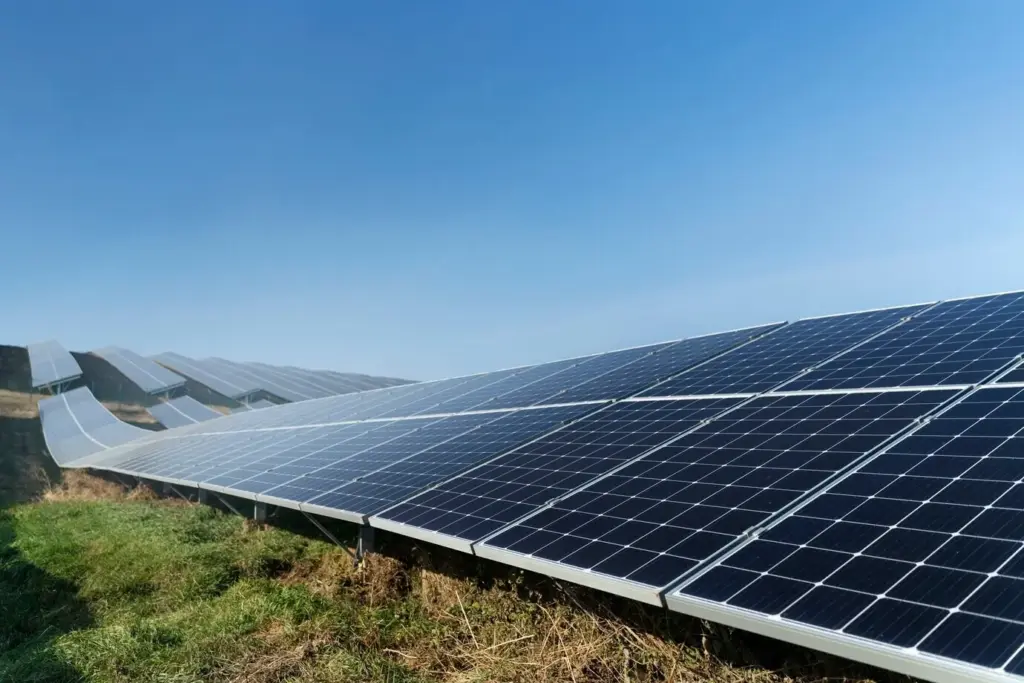
Use real‑time solar output as a trigger to start dishwashers, laundry, or water heating. Shift flexible tasks toward midday when production is highest, and dim lighting in bright rooms automatically. If clouds roll in, pause nonessential loads. Track self‑consumption percentages and fine‑tune thresholds weekly. The goal is graceful responsiveness that respects comfort while leaning into free, clean electrons whenever possible.

Batteries for Peak Shaving and Peace of Mind

Create schedules that charge during low‑cost periods and discharge during peak times, while maintaining a backup reserve for outages. Adjust targets seasonally, and coordinate with heating or cooling to soften demand spikes. Integrate weather alerts for storm preparation. Clear, conservative rules keep households comfortable and systems healthy. Share your storage capacity and goals, and we can sketch optimal, low‑stress dispatch strategies.

Smart EV Charging That Plays Nice with Rates and the Grid

Set charging to begin automatically during off‑peak hours or when renewable generation is plentiful. Cap current when other heavy loads run, then resume later. Geofencing helps apply different rules at home versus public chargers. Watch cabin preconditioning, which can surprise your bill. Track monthly cost per mile to make progress visible. Thoughtful charging habits deliver quiet, predictable savings without sacrificing readiness.
Bleall
Privacy Overview

This website uses cookies so that we can provide you with the best user experience possible. Cookie information is stored in your browser and performs functions such as recognising you when you return to our website and helping our team to understand which sections of the website you find most interesting and useful.